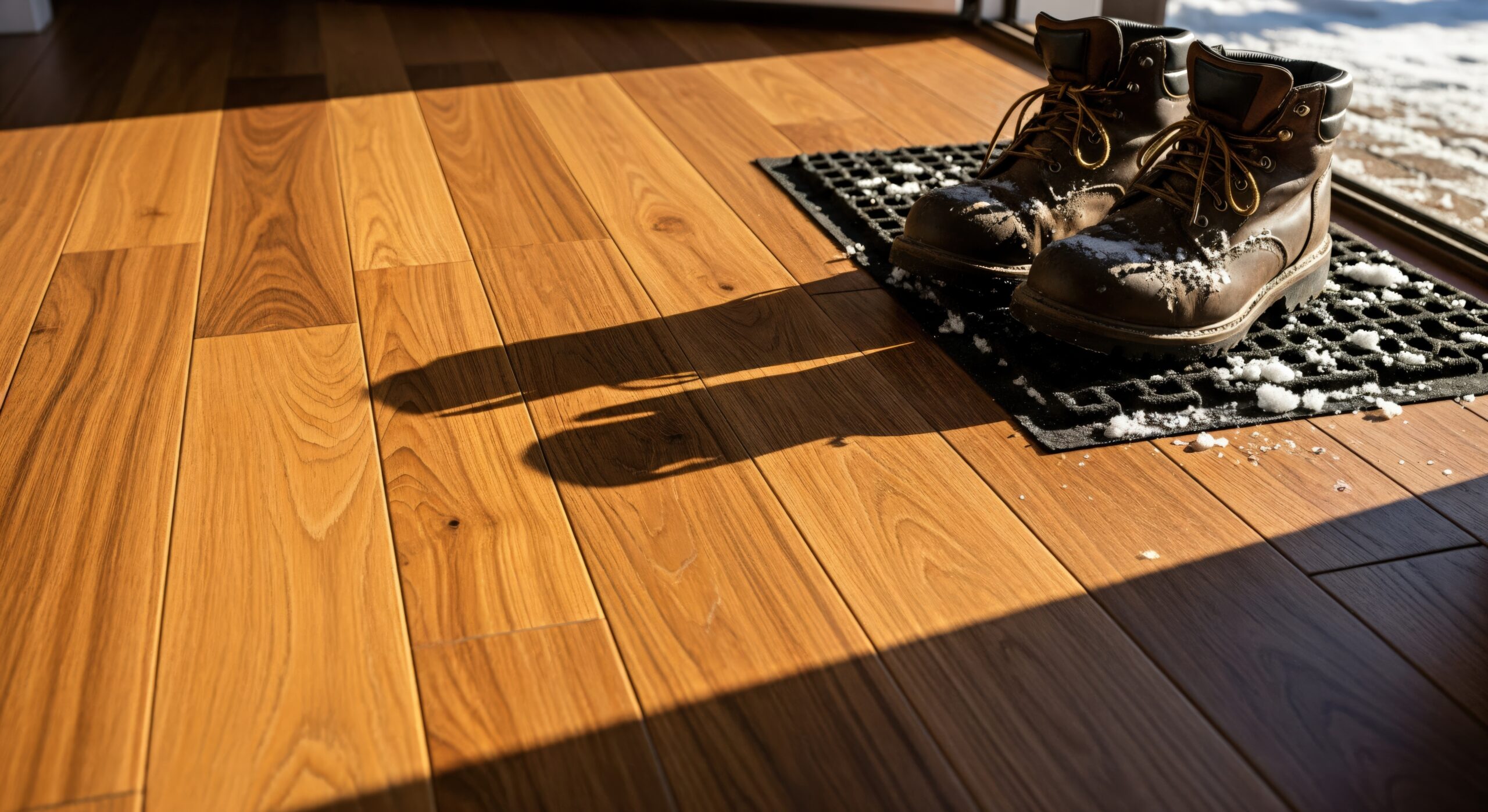
Ohio winters are beautiful, but they are tough on homes. Snow, slush, freezing rain, and road salt don’t just stay outside. They get tracked in on boots, shoes, pets, and even coats. Over time, all of that moisture and grit quietly takes a toll on your floors. What may start as a little dirt near the front door can turn into scratched finishes, dull surfaces, warped boards, stained carpet, and costly repairs.
Winter doesn’t just make floors dirty. It creates the most damaging conditions of the year. Salt crystals grind against finishes, moisture seeps into seams, and sand and grit act like sandpaper underfoot. Understanding how winter impacts your floors is the first step in protecting your investment and keeping your home looking its best.
At Levi’s 4 Floors, winter is often when homeowners become most aware of how their flooring performs in real life. It’s also the season when smart care and the right materials make the biggest difference.
Why Winter Is So Hard on Floors
Winter damage comes from a combination of three main elements:
- Salt: Road salt is abrasive and corrosive. It scratches finishes on hardwood, dulls tile surfaces, and can discolor grout.
- Moisture: Snow and slush melt into water that seeps into seams and edges, causing swelling, warping, or mold growth.
- Grit and sand: These tiny particles grind away protective coatings and wear layers with every step.
Add fluctuating indoor temperatures and dry winter air into the mix, and your floors are under constant stress.
Start at the Front Door: Your First Line of Defense
Your entryway determines how much winter damage spreads through your home. A smart setup here protects everything beyond it.
Every Ohio home should have:
- A heavy-duty exterior mat to scrape off snow and grit
- A second absorbent interior mat or runner
- A place to remove wet boots and shoes
- Storage for coats, hats, and gloves
Rubber-backed mats work best because they trap moisture without soaking through. For homes with heavy traffic, Levi’s often recommends waterproof flooring such as luxury vinyl plank (LVP) or tile in entry areas. These materials handle moisture and salt far better than hardwood or laminate.
A washable runner inside the door adds another protective layer and prevents winter mess from spreading.
How Salt Damages Different Flooring Types
Salt doesn’t affect all floors the same way. Understanding how each material reacts helps you clean and protect it properly.
Hardwood (Solid and Engineered):
Salt scratches the protective finish and can work its way into the wood if moisture lingers. This leads to dulling, discoloration, and even swelling. Engineered hardwood is more stable than solid hardwood but still needs protection from moisture.
Tile and Grout:
Salt leaves behind white residue and can dull glossy tile finishes. It also dries out grout, making it more prone to cracking and discoloration.
Luxury Vinyl Plank (LVP):
LVP handles winter extremely well. Its waterproof core and tough wear layer resist moisture and scratching. It’s one of the most winter-friendly flooring options available.
Laminate:
While durable on the surface, laminate is vulnerable to moisture at the seams. Salt combined with water can cause swelling and edge damage.
Carpet:
Salt crystals embed in fibers and cause stiffness and discoloration if not removed quickly. Moisture trapped in carpet can also lead to odors or mold.
Build a “Mudroom Mindset,” Even Without a Mudroom
Not every home has a true mudroom, but every home can benefit from mudroom thinking. This means creating a transition zone where winter mess stops.
You can create this with:
- A bench or shoe rack near the door
- Wall hooks for coats and bags
- Durable flooring like LVP or tile
- A washable rug
Levi’s often helps homeowners plan this space using coordinated materials that look intentional, not utilitarian. A waterproof floor paired with a decorative runner can be both practical and stylish.
Choosing the Right Flooring for Winter-Heavy Homes
Different areas of your home call for different materials. Smart coordination makes winter maintenance easier.
Luxury Vinyl Plank (LVP):
Ideal for entryways, kitchens, mudrooms, and high-traffic areas.
- Waterproof
- Scratch resistant
- Easy to clean
- Warm and comfortable
Tile:
Perfect for bathrooms, laundry rooms, and entries.
- Completely waterproof
- Extremely durable
- Resistant to salt and stains
Engineered Hardwood:
Best for living rooms and dining spaces.
- More stable than solid hardwood
- Beautiful natural appearance
- Works well when protected by mats and runners
Carpet:
Ideal for bedrooms and cozy areas.
- Adds warmth
- Traps dirt before it spreads
- Choose stain-resistant, low-pile styles
Laminate:
Works in dry living areas when moisture is carefully controlled.
Levi’s specializes in helping homeowners combine these materials so the home flows visually while performing practically.
Smart Winter Cleaning Routines
Consistency matters more than intensity.
Daily or Every Other Day:
- Sweep or vacuum entryways
- Shake out mats
- Wipe up moisture immediately
Weekly:
- Damp mop hard surfaces
- Clean tile grout
- Wash runners
Monthly:
- Deep clean carpets
- Inspect flooring edges
- Reapply protective treatments if needed
Avoid:
- Excess water
- Steam mops on wood or laminate
- Harsh chemical cleaners
Levi’s can recommend cleaning products that are safe for your specific flooring type.
A Simple Winter Flooring Maintenance Calendar
Daily:
- Remove moisture and grit
- Shake mats and rugs
Weekly:
- Damp mop
- Vacuum carpets thoroughly
Monthly:
- Deep clean high-traffic zones
- Inspect seams and edges
End of Winter:
This routine keeps floors healthier and extends their lifespan.
Control Indoor Humidity
Winter air in Ohio is dry. Low humidity causes:
- Gaps in hardwood
- Cracking
- Warping
A simple humidifier protects wood floors and improves comfort.
When Winter Reveals It’s Time for an Upgrade
Winter often exposes flooring that’s no longer performing well.
Signs include:
- Buckling boards
- Permanent salt stains
- Soft or swollen areas
- Peeling finishes
This is when many homeowners turn to Levi’s to explore upgrades like:
- LVP in entryways
- Tile in moisture-prone rooms
- Engineered hardwood for durability
- Carpet upgrades for warmth
Coordinating Flooring for Performance and Style
A smart Ohio home uses the right flooring in the right place.
Example layout:
- Tile or LVP in entry and kitchen
- Engineered hardwood in living areas
- Carpet in bedrooms
- Coordinated tones for seamless flow
Levi’s helps homeowners choose colors and textures that connect each space visually while maximizing durability.
Extend the Life of Your Floors
With proper care:
- Floors last longer
- Look better
- Maintain value
- Reduce replacement costs
Winter protection is an investment, not an inconvenience.
Why Local Expertise Matters
Ohio winters demand flooring that performs under pressure. Levi’s 4 Floors understands how salt, snow, and moisture affect materials and helps homeowners select products designed for real conditions, not just showroom beauty.
From waterproof LVP to durable tile to engineered hardwood and high-performance carpet, Levi’s helps homeowners protect their homes while keeping them beautiful.
Final Thoughts
Winter wear is unavoidable. Damage is not.
By designing smart entryways, choosing the right flooring for each space, maintaining consistent cleaning routines, and working with experts who understand Ohio’s climate, you can protect your floors from salt, snow, and mud for years to come.
Your floors work harder in winter than any other season. Giving them the care and protection they need now ensures your home stays beautiful, comfortable, and resilient no matter what the Ohio weather brings.

Leave a Reply